
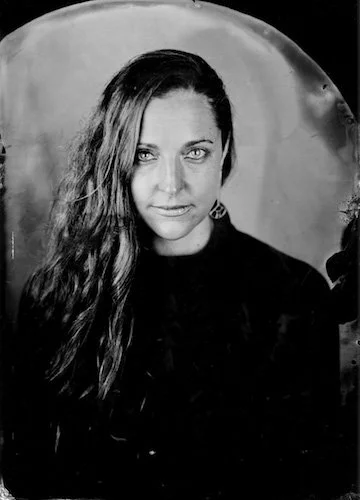
Tintype Portraits
A unique and everlasting portrait that is the antithesis of the ephemeral digital photograph. Guaranteed AI free!
In some ways more like a painting than a photograph. Imperfection is embraced.
A session at my Salamanca Arts Centre studio takes about 45 minutes. Tintype ready to collect an hour later.
Commercial jobs welcome at appropriate rates.
Individual Portrait
$220
5 x 7 inch (125 x 175mm) collodion tintype studio portrait
Varnished with traditional gum sandarac
Unframed in recycled unbleached presentation box
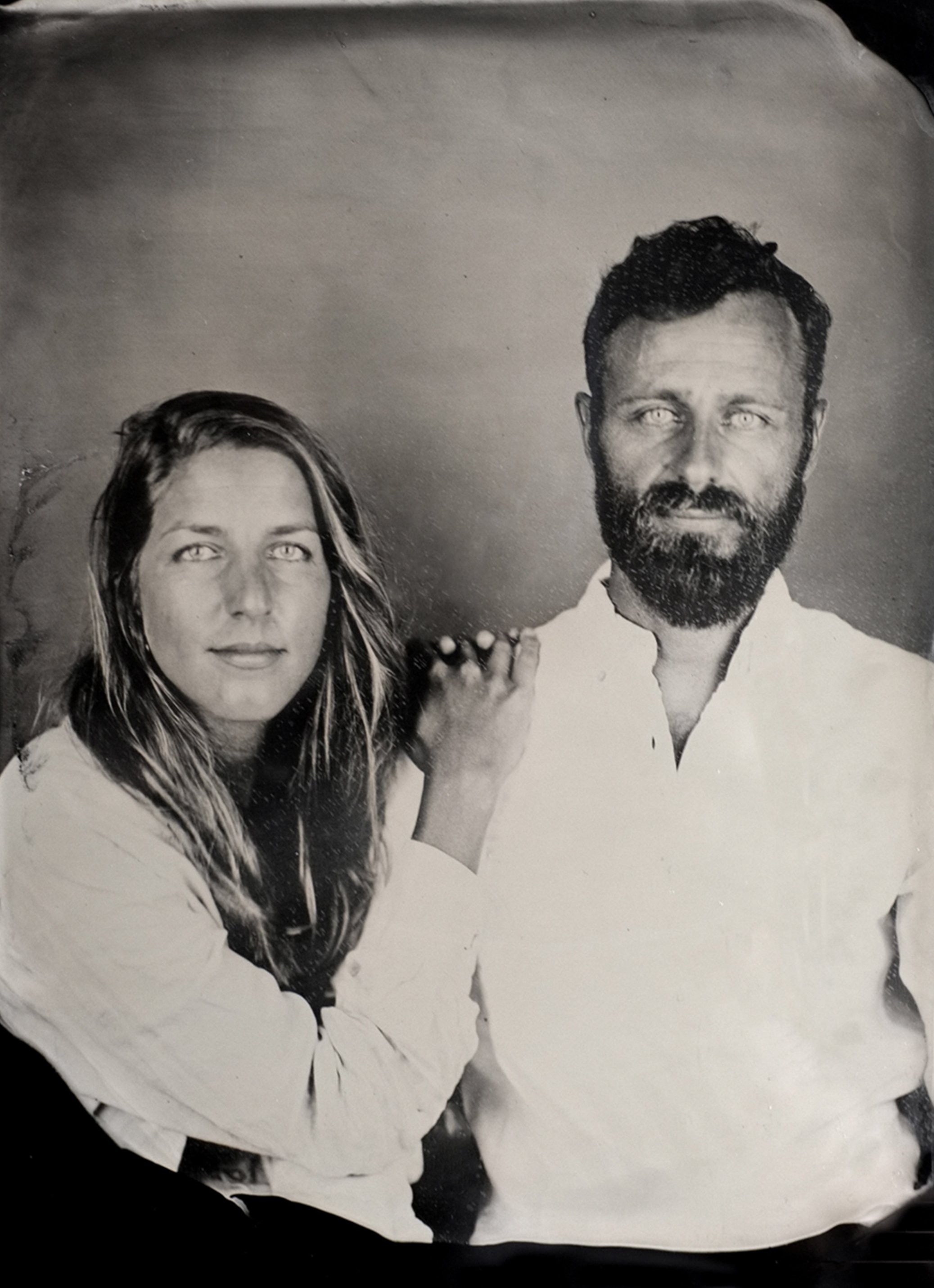
Couple Portrait
$275
5 x 7 inch (125 x 175mm) collodion tintype studio portrait
Varnished with traditional gum sandarac
Unframed in recycled unbleached presentation box
WHY DO MY TINTYPE PORTRAITS LOOK SPECIAL?
They are made the traditional way WITHOUT A MODERN FLASH.
The long exposure times I employ oblige the sitter to concentrate on their own stillness and gaze, investing the photo portrait with GRAVITAS AND INEFFABLE AURA which says something new, important and alchemical in an age of ubiquitous digital and infinitely computer-manipulatable imagery.
I use a 100 YEAR OLD WOODEN CAMERA.
I have a DEDICATED TINTYPE STUDIO in the beautiful Salamanca Arts Centre.
I have been CRAFTING TINTYPE PORTRAITS FOR 10 YEARS.
WHAT IS A TINTYPE?
The tintype was invented around 1856. It consists of a thin layer of photographic emulsion (traditionally collodion) coated onto a blackened sheet of metal. This plate is exposed directly in the camera and developed immediately while still wet. The resulting negative image appears positive against the black support.
The tintype greatly democratised photography because it facilitated, for the first time since the invention of photography, the production of cheap and durable photographic portraits and scenes.
The 21st century revival of the wetplate collodion tintype technique exemplifies a reaction to the digital, high-tech “perfection” of contemporary photography and represents a return to authentic, hand crafted, analogue image making.
The beguiling materiality of a tintype is rarely encountered in modern photography.
The arcane, antique chemical process of tintypes renders contemporary subjects with an altered psychology of space. Tintype portraits in particular have an arresting power that haunts.